Fire Damage?
Don't Take Chances! Call the Top Disaster
Recovery Company in Troy and get cleaned up FAST!



Why Choose Us?
- Free Estimates
- Available 24/7/365
- 60 Minute Rapid Response
- Fully Licensed And Insured
- We Work With Your Insurance Company
Call Now (248) 883-3340
Fire Damage Restoration in Troy, Michigan
After a fire, smoke, soot, heat, odor, and firefighting water can affect much more than the room where flames were visible. Our team helps secure the property, document the damage, and begin cleanup in a clear order so you know what happens next.
We help homeowners, landlords, property managers, and commercial property owners in Troy. Our technicians inspect the building, protect areas that remain usable, and explain which contents and materials need cleaning, removal, drying, or repair planning.
Our first review covers charred materials, unstable areas, electrical concerns, damaged ceilings, HVAC surfaces, insulation, drywall, flooring, cabinetry, and affected contents. Smoke residue and odor sources receive attention too, because damage often travels beyond the room where the fire started.
Need Restoration Help in Troy? Call (248) 883-3340
Do not enter a fire-damaged area until emergency officials have cleared it for entry. After clearance, our IICRC certified techs assess fire, smoke, soot, odor, and water damage. We provide updates, take photos, and record moisture readings when firefighting water has affected the property.
Safety and Assessment After a Fire
Open roofs, walls, windows, and doors can expose the property to weather and unauthorized entry. We discuss temporary protection and controlled access before cleanup begins. Contents are separated for cleaning, pack-out, or replacement review so usable items do not get mixed with heavily damaged materials.
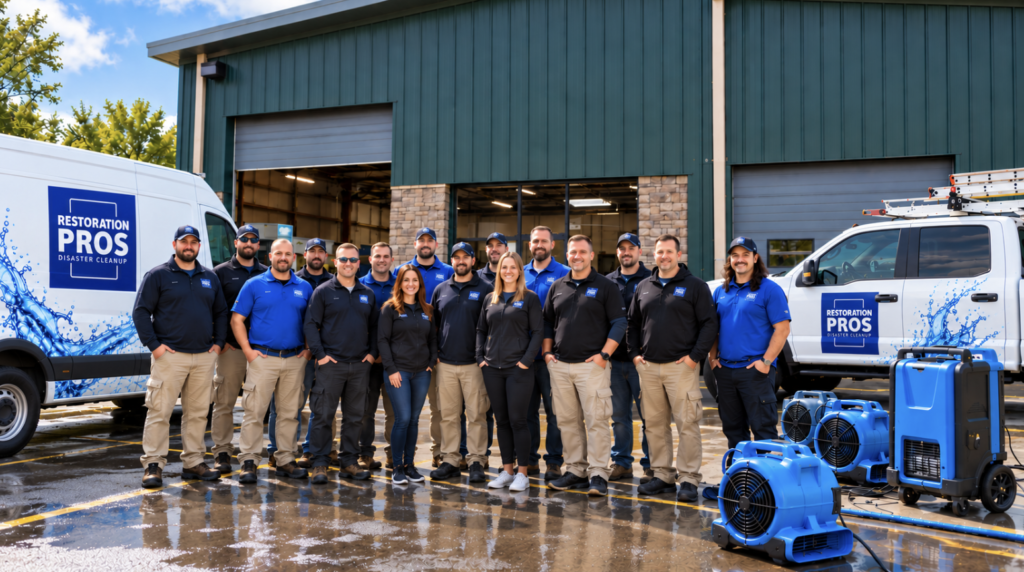
Firefighting water can create a second loss in basements, lower levels, wall cavities, and areas below damaged ceilings. We remove standing water, place fans and dehumidifiers, and track moisture in affected materials. Readings help show whether drywall, flooring, wood, insulation, or contents need more drying.
How Fire Cleanup Moves Forward
We start with safety and documentation, then address water, smoke residue, odors, contents, and repair planning in a controlled order. This separates emergency cleanup from later decisions about rebuilding or replacing damaged materials.
- Assessment: We inspect fire, smoke, soot, odor, water, contents, and access concerns.
- Stabilization: We discuss temporary protection and controlled access for exposed areas.
- Water removal and drying: We remove firefighting water, place drying equipment, and record moisture readings.
- Smoke and soot cleaning: We clean sound surfaces and contents with tools suited to the residue and material.
- Odor control: We identify odor sources and treat affected building materials and contents.
- Repair planning: We explain remaining repair work after cleaning and drying are complete.
Our technicians use HEPA vacuums, air scrubbers, specialty cleaning tools, and odor-control equipment. The cleaning method depends on the residue, the material, and the affected area. Smoke residue on drywall, wood, textiles, cabinets, and HVAC surfaces needs different handling, so each area is evaluated on its condition.
Fire Cleanup for Homes, Rentals, and Businesses
Home fire cleanup may involve kitchens, bedrooms, attics, basements, garages, contents, and living areas. Older Troy ranch, colonial, and tri-level homes often include finished basements, attached garages, and aging plumbing. These connected spaces deserve inspection when firefighting water moves beyond the original fire area.
Townhomes, condominiums, and other attached properties need checks around shared walls, utilities, and nearby units. Landlords and property managers also need clear information for residents, owners, building staff, and repair trades. We document affected spaces and explain which areas need cleaning, monitoring, or repair.
Commercial fire cleanup requires planning around occupants, access, equipment placement, business hours, and work zones. Offices, restaurants, retail properties, warehouses, and industrial buildings may contain inventory, electrical equipment, loading areas, and multiple tenant spaces. Staged contents handling and controlled work areas keep the cleanup organized while the owner decides how operations will proceed.
Fire Damage Concerns in Troy Properties
Troy includes older homes with lower levels as well as office, retail, and industrial properties with broad interiors. A basement fire may leave smoke, soot, and water below the main floor. A commercial loss may spread residue across equipment, inventory, ceiling systems, and several tenant areas.
Properties in the Big Beaver business corridor often have large interiors, parking areas, and active businesses. Equipment placement, contents movement, and access planning become important parts of cleanup in these settings. We organize work zones around the property layout and keep necessary entrances clear.
Winter ice, spring runoff, and heavy summer rain can complicate exterior checks and access after a fire. Our assessment looks for moisture around roofs, lower-level entrances, drains, and sump systems when weather has affected the property.
For immediate help with water damage in Troy, call (248) 883-3340 to discuss what happened and the next steps for your property.
Serving Troy and Nearby Communities
We serve property owners in Troy and nearby communities such as Birmingham, Clawson, Madison Heights, Rochester Hills, and Sterling Heights. When you contact us, share the property location, the type of fire, whether firefighting water entered the building, and whether the property is occupied. That information helps our team prepare for the immediate safety and cleanup needs before the assessment.
Our team offers 24-hour response, and our technicians keep the work organized from the first inspection through cleaning and repair planning. We are also registered with the BBB. The next step is to contact us so we can discuss the condition of the property and determine what should happen first.
Frequently Asked Questions
What should I do first after a fire?
Wait until emergency officials clear the property before entering, then contact our team for an assessment. Avoid disturbing soot, moving damaged contents, or using electrical systems in affected areas until safety concerns have been reviewed.
Does fire damage include smoke and soot?
Yes. Fire damage cleanup includes smoke residue, soot, odor, heat damage, and affected contents. Smoke can move beyond the room where the fire began, so our technicians inspect nearby rooms, ceilings, HVAC surfaces, and belongings.
Can you remove water used to put out the fire?
Yes. We remove standing firefighting water and set drying equipment where needed. Moisture readings help us track affected drywall, flooring, wood, insulation, and contents.
What happens during the first assessment?
We inspect safety concerns, fire and smoke damage, water intrusion, odors, contents, access, and areas that need temporary protection. We also take photos and explain the cleanup steps.
Can smoke odor be removed from a property?
Smoke odor can often be treated after its sources are identified and cleaned. Our team evaluates affected materials and contents, then uses cleaning tools and odor-control equipment suited to the condition.
Do you clean furniture and personal belongings?
Yes, we evaluate affected contents for cleaning, pack-out, or replacement review. Items are separated by condition so salvageable belongings do not get mixed with heavily damaged materials.
Do commercial properties need a different fire cleanup plan?
Yes. Commercial cleanup must account for occupants, tenant spaces, inventory, equipment, loading areas, business hours, and work zones. We plan equipment placement and contents handling around the building's layout and operations.
What happens after cleaning is complete?
We explain remaining repair needs after cleanup and drying are complete. This helps the owner separate emergency restoration work from decisions about rebuilding or replacing damaged materials.