Black Mold?
Don't Take Chances! Call the Top Disaster
Recovery Company in Troy and get cleaned up FAST!



Why Choose Us?
- Free Estimates
- Available 24/7/365
- 60 Minute Rapid Response
- Fully Licensed And Insured
- We Work With Your Insurance Company
Call Now (248) 883-3340
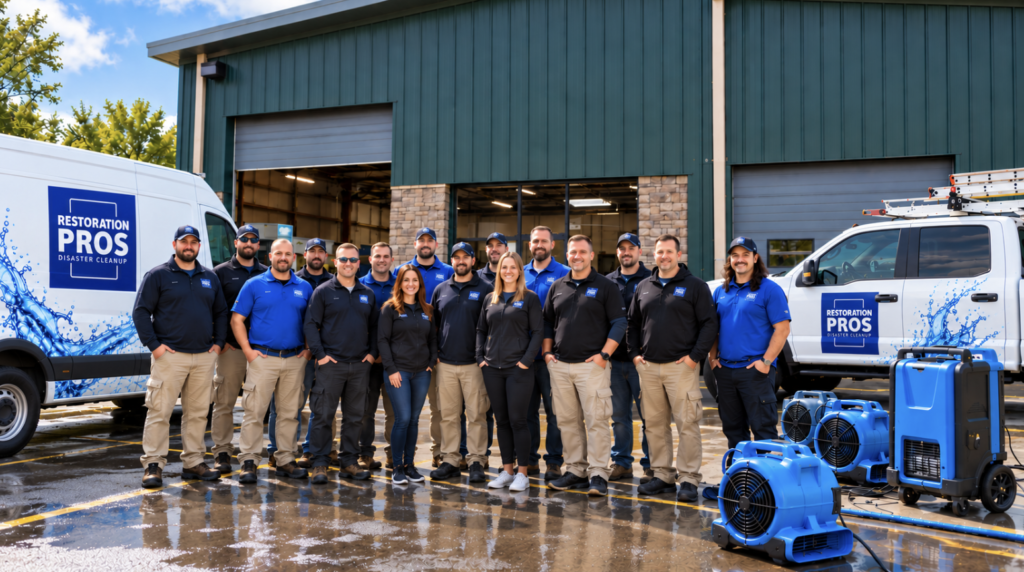
Mold Removal in Troy, Michigan
We help homeowners, landlords, property managers, and commercial property owners. Mold can affect a basement, bathroom, attic, crawl space, rental property, condominium, office, or warehouse. Our technicians explain what they find, protect unaffected areas, and keep you informed as the work moves forward.
Visible mold, a musty odor, or dark staining calls for more than surface cleaning. Our team finds the moisture source, controls the affected area, and removes contaminated materials using a planned process. Common causes include plumbing leaks, roof leaks, foundation moisture, condensation, high humidity, poor ventilation, and past water damage.
First, we review the history of the moisture problem and map the affected areas. Moisture meters help locate damp materials that do not look wet. We record the readings, inspect nearby building materials, and look for leaks, condensation, poor airflow, or drainage issues that could support more growth.
Need Restoration Help in Troy? Call (248) 883-3340
Our IICRC certified techs begin with an inspection and moisture assessment. We check drywall, insulation, flooring, wood framing, cabinetry, carpet, and other materials for visible growth and hidden dampness. We document the findings so the cleanup plan addresses the source of the problem instead of only treating what you can see.
How Our Mold Remediation Process Works
Next, we contain the work area to limit the spread of dust and debris. Our team uses containment materials, HEPA filtration, air scrubbers, and negative-air equipment when the site requires them. Dehumidifiers and other drying equipment help reduce remaining moisture. Equipment placement is planned around occupants, contents, electrical areas, and access paths.
We use controlled removal for affected drywall, insulation, carpet, or other materials that cannot be cleaned. Surfaces that remain are cleaned with HEPA equipment and suitable cleaning methods. Wood framing, subfloors, cabinets, and other materials receive a closer review because their condition affects the repair plan.
After cleaning, we check moisture conditions again and explain the repairs that remain. Those repairs may include drywall replacement, flooring work, insulation replacement, painting, or finish carpentry. Mold removal is not complete until the moisture source is addressed, because ongoing dampness can cause the problem to return.
Mold Concerns in Troy Properties
Many Troy homes include finished basements, attached garages, and lower levels built several decades ago. Older ranch, colonial, and tri-level homes can have aging plumbing, foundation moisture, or damp basement finishes hidden behind walls and flooring. A careful inspection helps separate surface staining from a larger moisture problem.
Townhomes and condominiums can share walls, roofs, utilities, or drainage systems, so odors and moisture need review beyond one room. Landlords and property managers also need clear documentation that shows which areas were inspected, what materials were removed, and what repairs remain.
Commercial properties near the Big Beaver and Maple Road business corridors often have broad roofs, large parking areas, multiple tenant spaces, equipment, inventory, and occupied work areas. Our team plans access, equipment placement, contents handling, and work zones around the building's operations. That helps protect unaffected areas while the affected space is cleaned.
For immediate help with water damage in Troy, call (248) 883-3340 to discuss what happened and the next steps for your property.
What Property Owners Can Expect
We explain the findings in plain language and keep the work focused on the moisture source, affected materials, and safe cleanup. Photos, moisture readings, and removal notes give you a clearer record of the property's condition. Our registered BBB business provides mold remediation with a documented process, from the first inspection through cleaning and repair planning.
We serve Troy property owners and nearby communities such as Birmingham, Clawson, Madison Heights, Rochester Hills, and Sterling Heights. If you see mold, notice a persistent musty smell, or find staining after a leak, contact our team so we can assess the affected area and explain the next step.
Frequently Asked Questions
What does mold remediation include?
Mold remediation includes finding the moisture source, containing the affected area, removing materials that cannot be cleaned, cleaning remaining surfaces, drying the space, and planning repairs. The exact work depends on the materials and extent of the affected area.
Can you remove mold from drywall?
Drywall with affected porous material often requires controlled removal rather than surface cleaning alone. Our technicians inspect the drywall and nearby materials, document moisture conditions, and explain what should be removed or retained.
What causes mold in a basement?
Common causes include foundation moisture, plumbing leaks, condensation, high humidity, poor ventilation, and past water damage. We inspect for the source so cleanup is not limited to visible growth.
Do I need to leave the property during mold removal?
The need to leave depends on the affected area, containment plan, building use, and work being performed. We explain access limits and work zones before removal begins.
Can mold return after cleanup?
Mold can return if the moisture source remains. Our process includes checking for leaks, condensation, drainage issues, or other conditions that could keep materials damp, followed by repair planning.
Do you help landlords and property managers?
Yes. We help landlords and property managers inspect affected spaces, document conditions, coordinate access, and plan cleanup and repairs for rental properties, condominiums, and shared buildings.
How do you handle mold in a commercial building?
We plan containment, equipment placement, access, contents handling, and work zones around occupants and business operations. Documentation helps property managers understand which areas were affected and what work remains.
What should I do if I smell mold but cannot see it?
Contact a remediation professional for an inspection. A musty odor can point to damp materials behind walls, under flooring, in a basement, attic, or crawl space, so the visible area may not show the full problem.